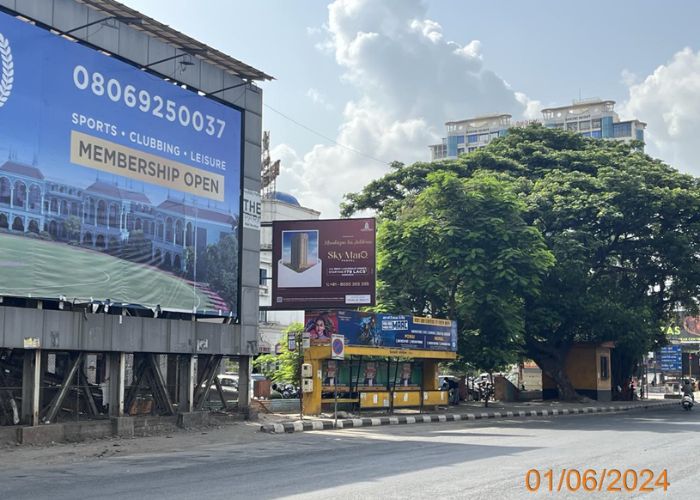
The bustling arteries of Navi Mumbai were once, merely conduits for movement but now hum with a different kind of energy – a vibrant visual symphony that informs, engages and inspires. This transformation, the ubiquitous presence of Out-of-Home [OOH] advertising, wasn’t an overnight phenomenon. It was the result of foresight, relentless innovation and a deep understanding of our city’s pulse, spearheaded by Ronak Advertising. We didn’t just introduce OOH in Navi Mumbai but also pioneered it here, fundamentally reshaping how businesses connected with their audiences and how the city itself communicated.
The first challenge was conceptualizing OOH not just as billboards but as an integrated network of touchpoints. We started with strategic placements of large-format hoardings in high-traffic areas, meticulously analyzing traffic flow, pedestrian patterns and line-of-sight to maximize exposure. However, we quickly moved beyond regular structures as we envisioned and implemented innovative formats such as eye-level bus queue shelters [BQS] that offered both utility and advertising space. We brought in vibrant pole kiosks that transformed mundane street-side poles into strategically placed assets in commercial hubs that allowed for dynamic and time-sensitive messaging. This and other display innovations in our diversification effort was key to our pioneering spirit; we weren’t just putting up displays, we were curating an urban advertising ecosystem.
A steady and surefooted beginning
Our journey began at a time when advertising in Navi Mumbai was largely confined to traditional print media and nascent television. The potential of the urban landscape as a dynamic communication platform was largely untapped. We recognized that the daily commutes, the leisurely strolls through public spaces and the very fabric of city life offered unparalleled opportunities for brand visibility and message dissemination. Our initial steps were cautious but driven by a belief in the power of visual impact on a grand scale.
Balancing urban aesthetics and environment
Beyond the innovation and adaptive changes, our pioneering success lay in our deep understanding of the city’s unique character and demographics. We didn’t believe in a one-size-fits-all approach. Instead, we conducted extensive research into neighborhood-specific consumer behaviors, cultural nuances and traffic patterns. This allowed us to offer hyper-localized OOH solutions, ensuring that campaigns resonated deeply with specific communities. We fostered strong relationships with city authorities, navigating regulations and demonstrating the aesthetic and economic benefits of well-executed OOH, thereby building a collaborative environment for growth.
Of course, pioneering something new is never without its challenges. We faced initial skepticism from advertisers accustomed to traditional methods, logistical complexities in acquiring prime locations and the constant need to adapt to evolving urban planning. Yet, each obstacle became an opportunity for refinement and innovation. We learned to optimize our placement strategies, to develop more resilient and aesthetically pleasing structures and to consistently demonstrate a measurable return on investment for our clients.
Today, the OOH landscape in Navi Mumbai is a testament to our early vision and perseverance. From the towering billboards that announce major product launches to the subtle, yet pervasive, BQS ads that guide daily commuters, OOH is an indispensable part of the city’s commercial and cultural fabric. We are proud to have not only introduced this powerful medium but to have continually pushed its boundaries, setting new standards for creativity, technology and effectiveness. We didn’t just pioneer OOH advertising in Navi Mumbai; we helped sculpt the visual narrative of our city, proving that the urban canvas, when approached with innovation and dedication, can be an incredibly powerful medium for communication and connection.
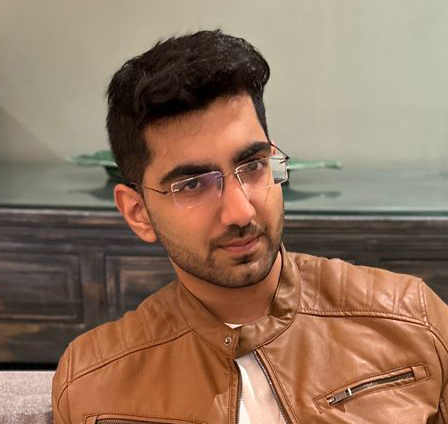
Rehat Singh is a Bachelor of Business Administration and is currently a director at Ronak
Advertising. He has a very good understanding of market dynamics, especially identifying
emerging trends, which helps him build effective growth strategies for the organization.